Influenza, often perceived as a common seasonal illness, has been responsible for millions of deaths worldwide
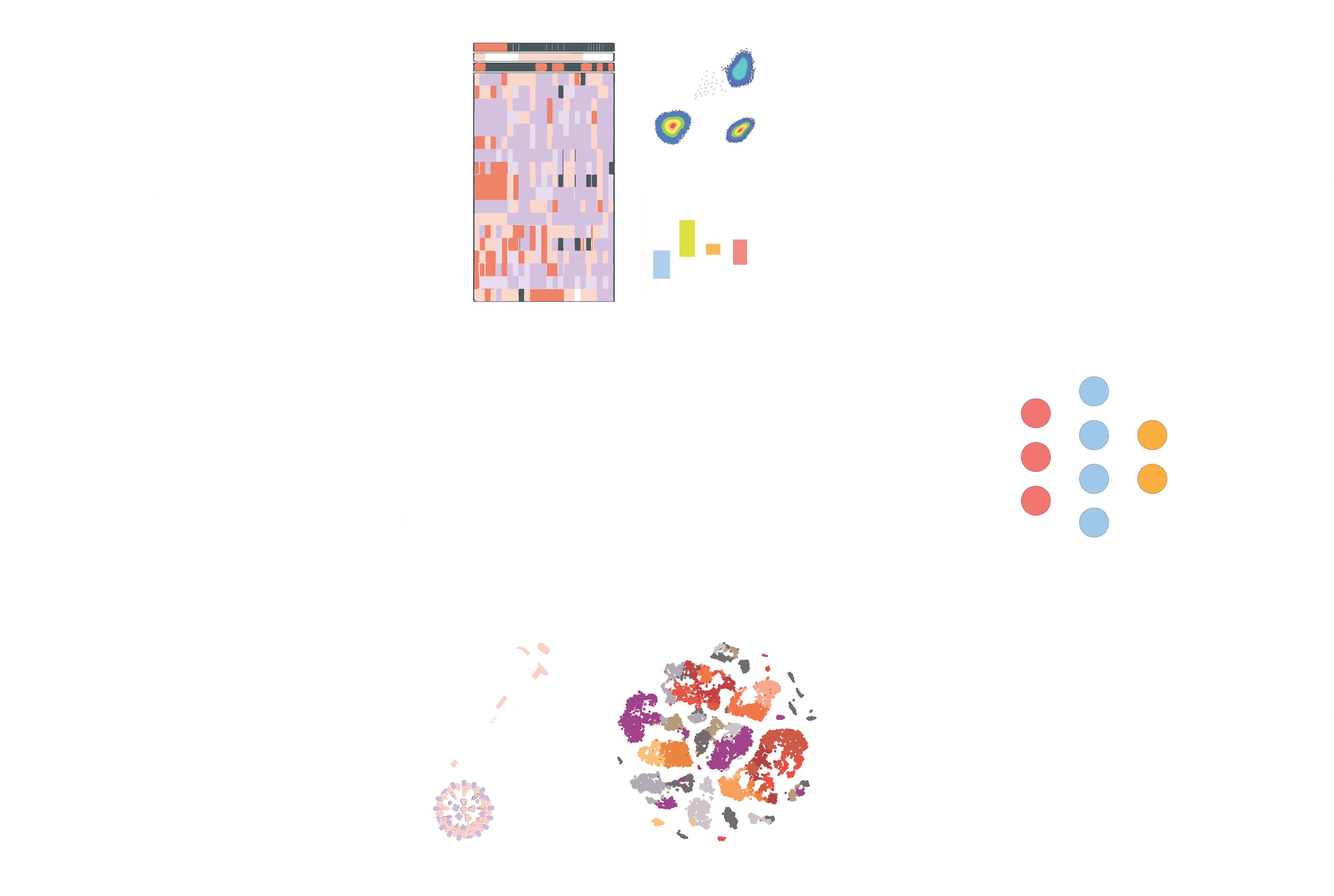
Our tools focus on System Biology strategies that allow us to understand the host immune response
Deciphering the molecular mechanisms of Influenza infection one algorithm at a time
Our Goal
Our aims is to decipher critical, yet uncharacterized host response mechanisms activated upon influenza virus infection that contribute to improved outcomes and durable humoral immune-mediated protection.
Our consortium brings together a multidisciplinary team of experts in virology, immunology, systems biology, bioinformatics and computational modelling
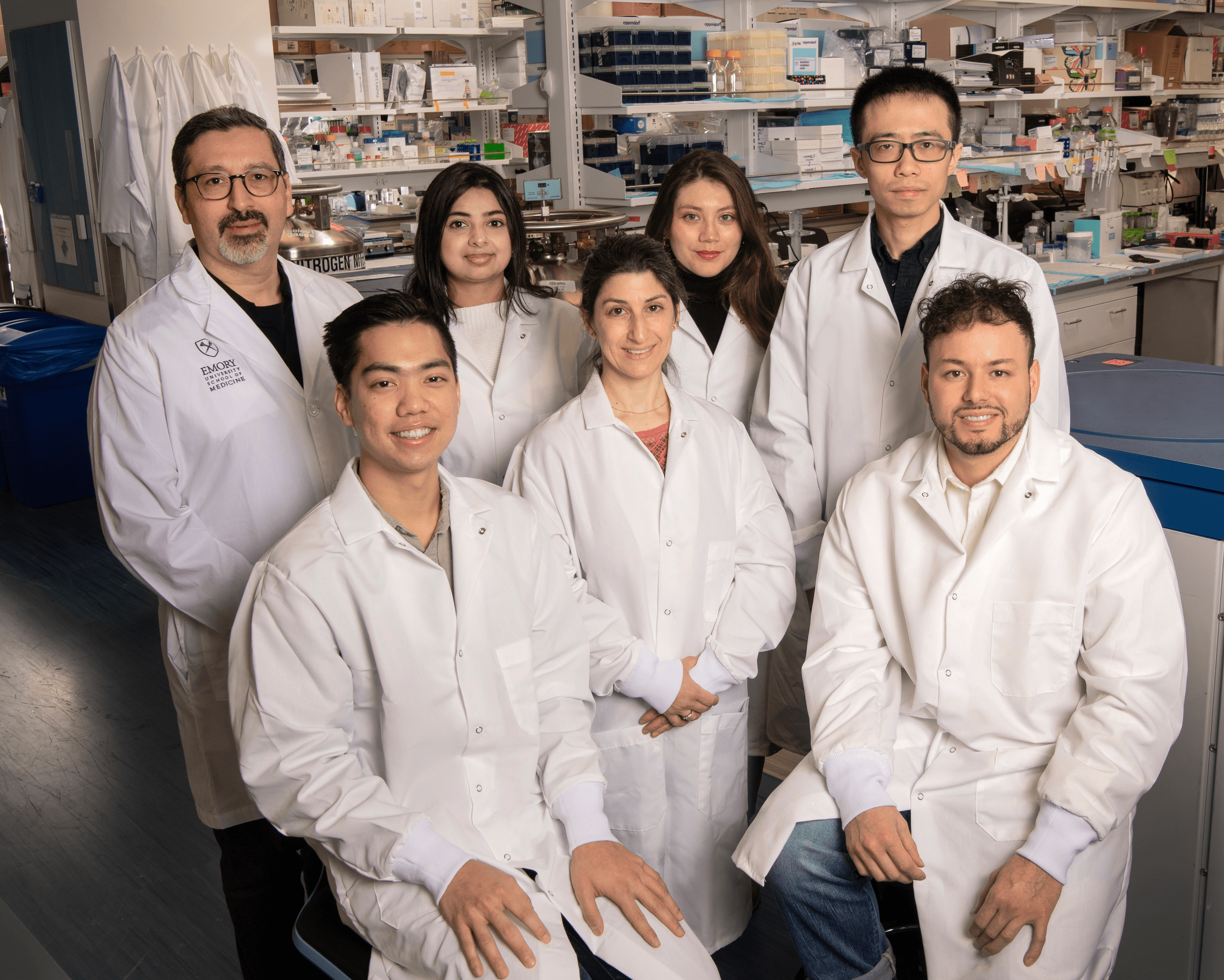
Principal Investigators and their Venues

The Medina laboratory uses a systems biology strategy to investigate host factors contributing to disease severity. Leveraging the established CHILE human cohort, conducting multi-omic analyses, including transcriptomics, metabolomics, cytokine and antibody profiling and immune functional assays, to characterize longitudinal host immune responses. They support the development and refinement of deep learning models, iteratively tested and validated with human derived data, and contributes to experimental design and analyses of in vivo model data. Systems-level approaches are integrated to identify novel correlates of protection against influenza virus.
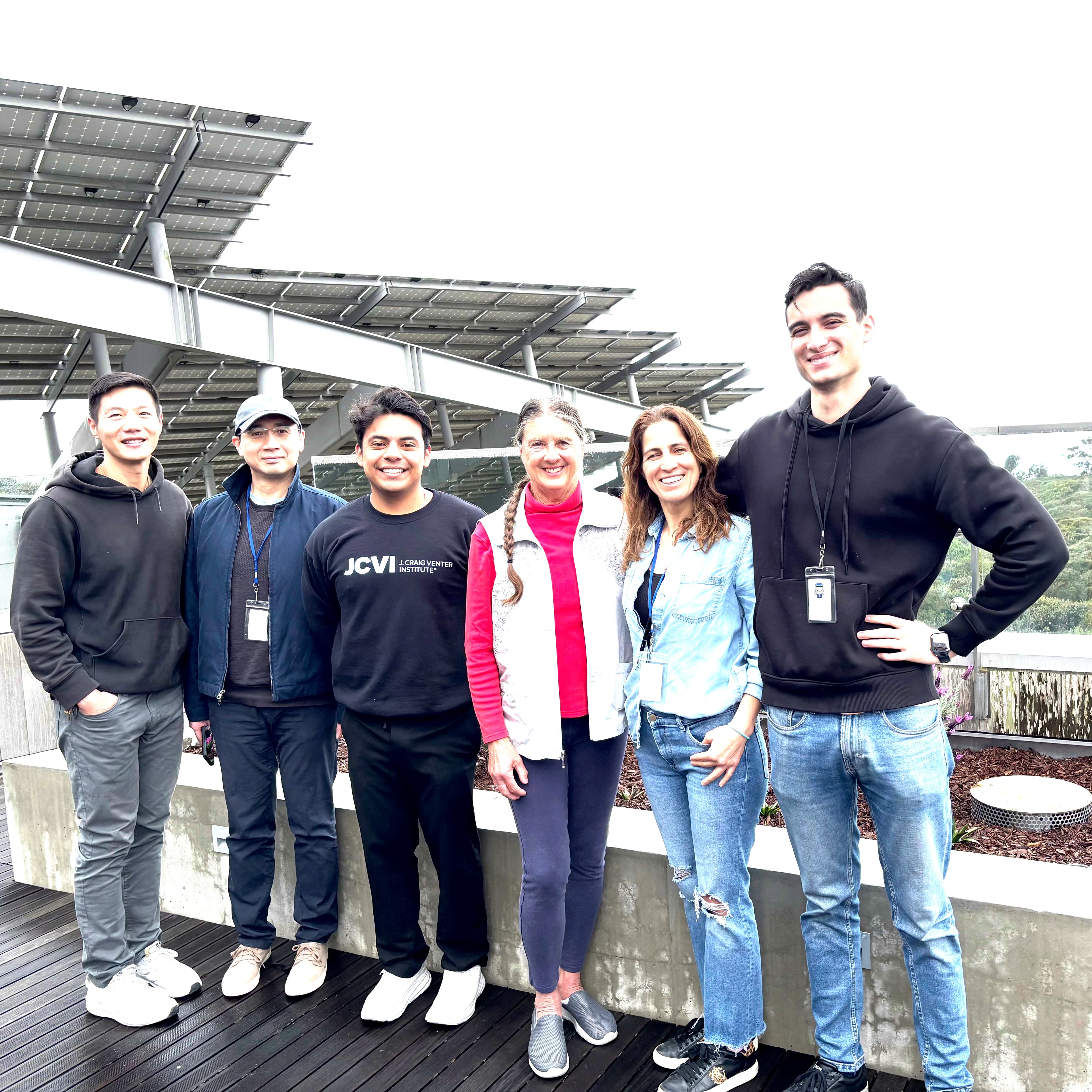
The goal of the Tan group is to model the defining features of human influenza immunity following primary infection or vaccination, using the mouse model and leveraging multimodal and computational methodologies. The quality of protection, such as disease severity and durability, against influenza is based on mechanisms by which immunity is initially established. To provide a multidimensional perspective, the Tan team develops novel mouse models that recapitulate human comorbidities and disease, and capture the breadth of the preexisting immunity, to characterize novel correlates of immune protection.


The Fourati team will use state-of-the-art machine learning approaches to identify blood biomarkers associated with disease severity and vaccine response. The Fourati Lab will also performs in silico CRISPR screens, to provide predictions to be experimentally tested and validated by the research projects in iterative cycles of experimentation-modeling. They also support trainees in modeling influenza disease severity and response to vaccination using as input high-throughput datasets.
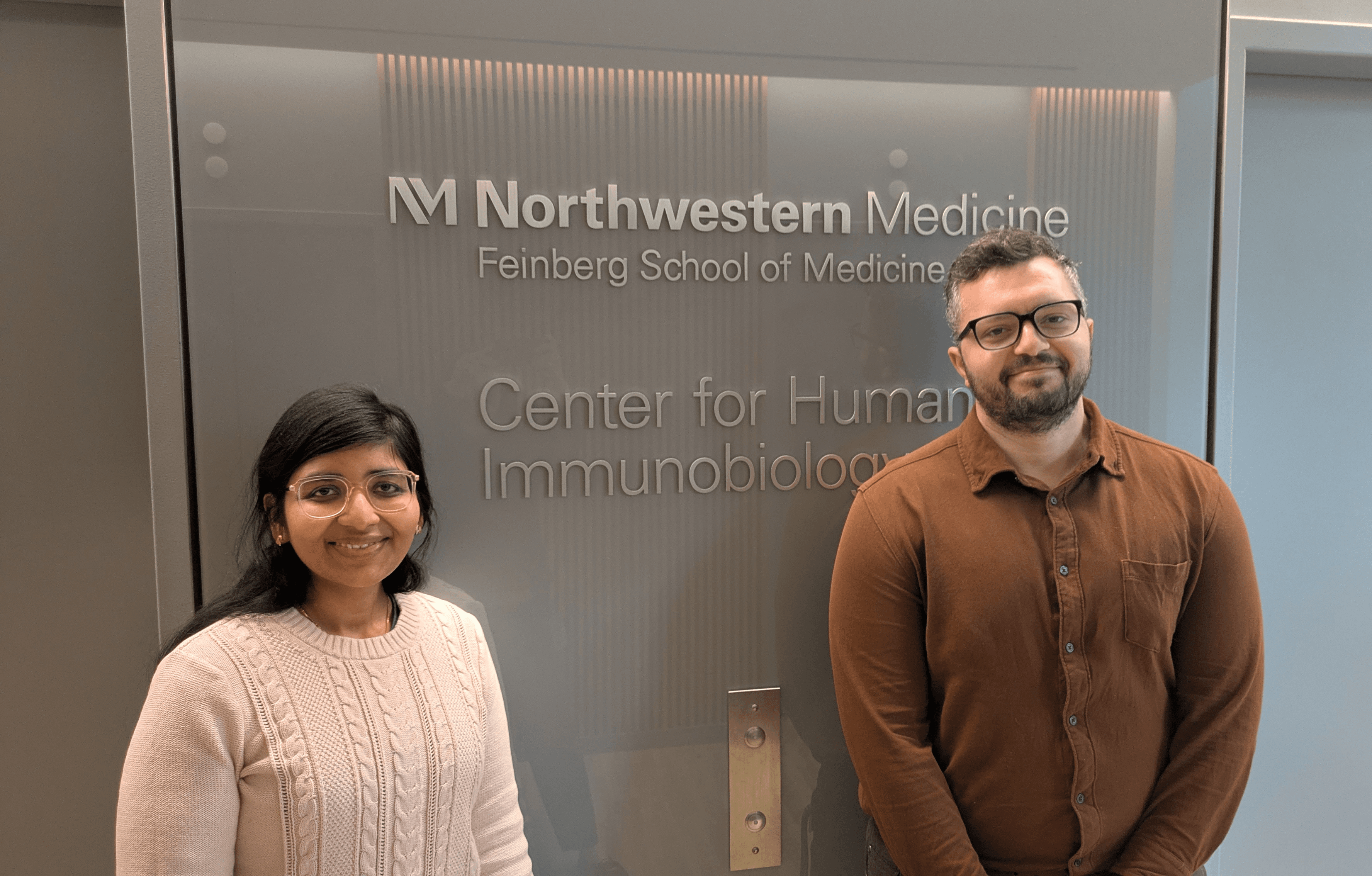
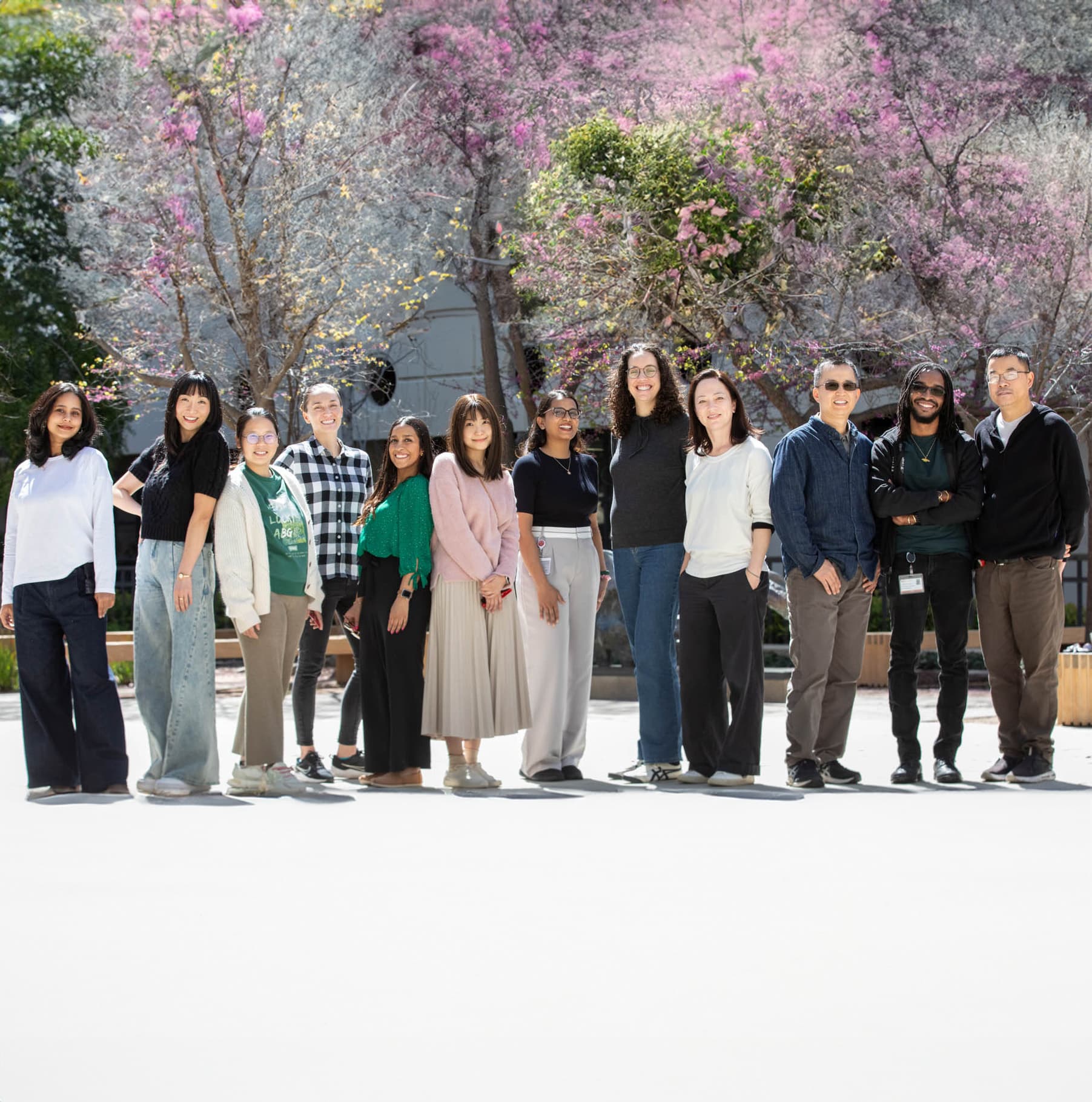
As part of FLU-CODE the Wang Group investigates key correlates of disease severity during influenza virus infections, with a particular focus on antibody effector functions and the signaling pathways activated in mild and severe cases. By characterizing immune responses, their research aims to uncover mechanisms that contribute to protective antibody activities beyond virus neutralization. Insights from this studies could inform the development of novel and improved therapeutic strategies to reduce the significant morbidity and mortality caused by seasonal and pandemic influenza viruses.


The developing of computational algorithms and software infrastructures for for supporting translational immunology is a focus of the Qian team. As part of the FLU-CODE consortium, the Quian Lab provides support for deconvolution analysis to infer cell type-specific gene expression signatures by integrating flow cytometry and transcriptomics data. The team also uses correlation analyses between mouse models and human immune responses to correlates of protection, and performs multi-omics data integration to identify immune signatures associated with infection and vaccination.
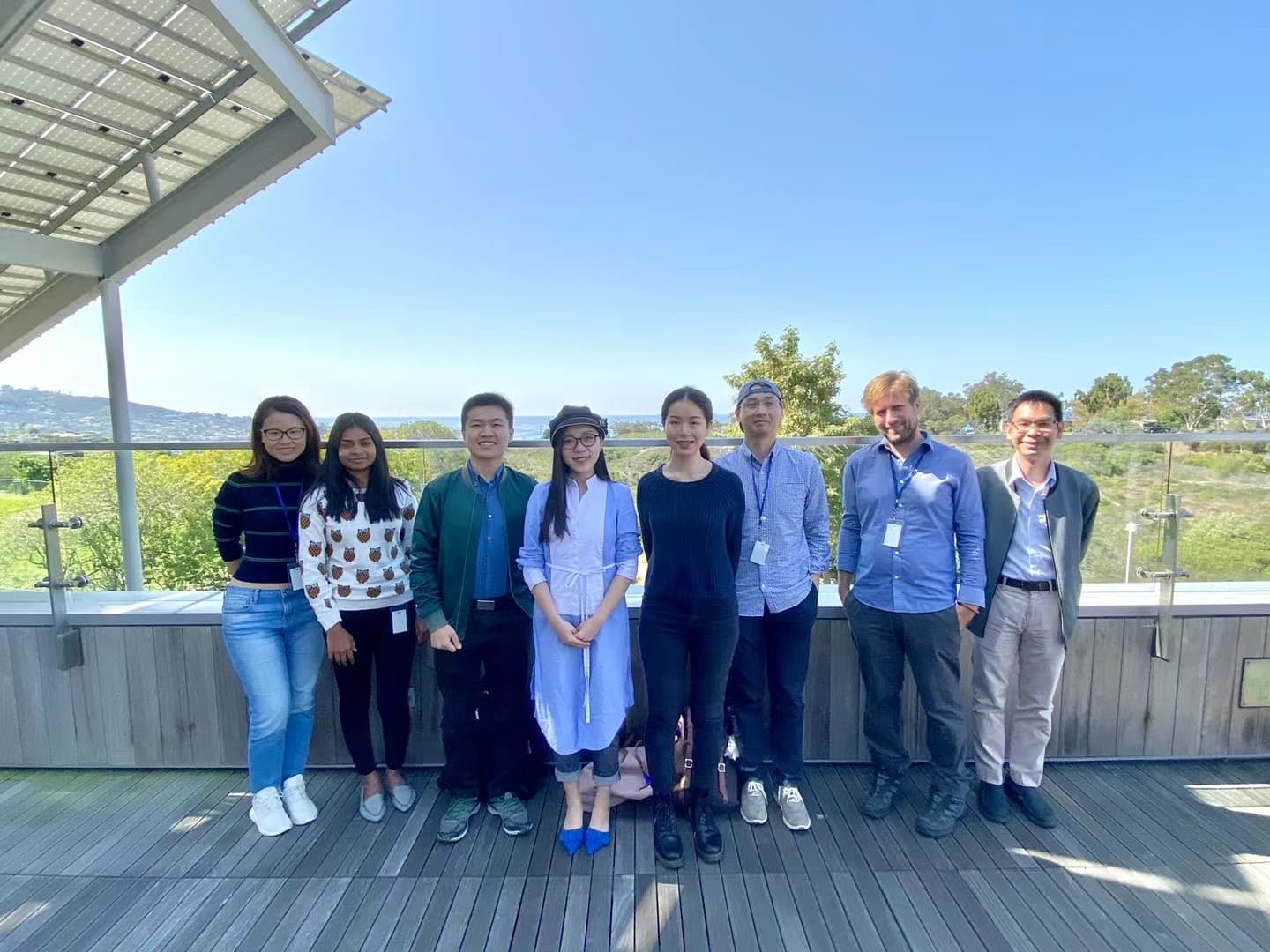
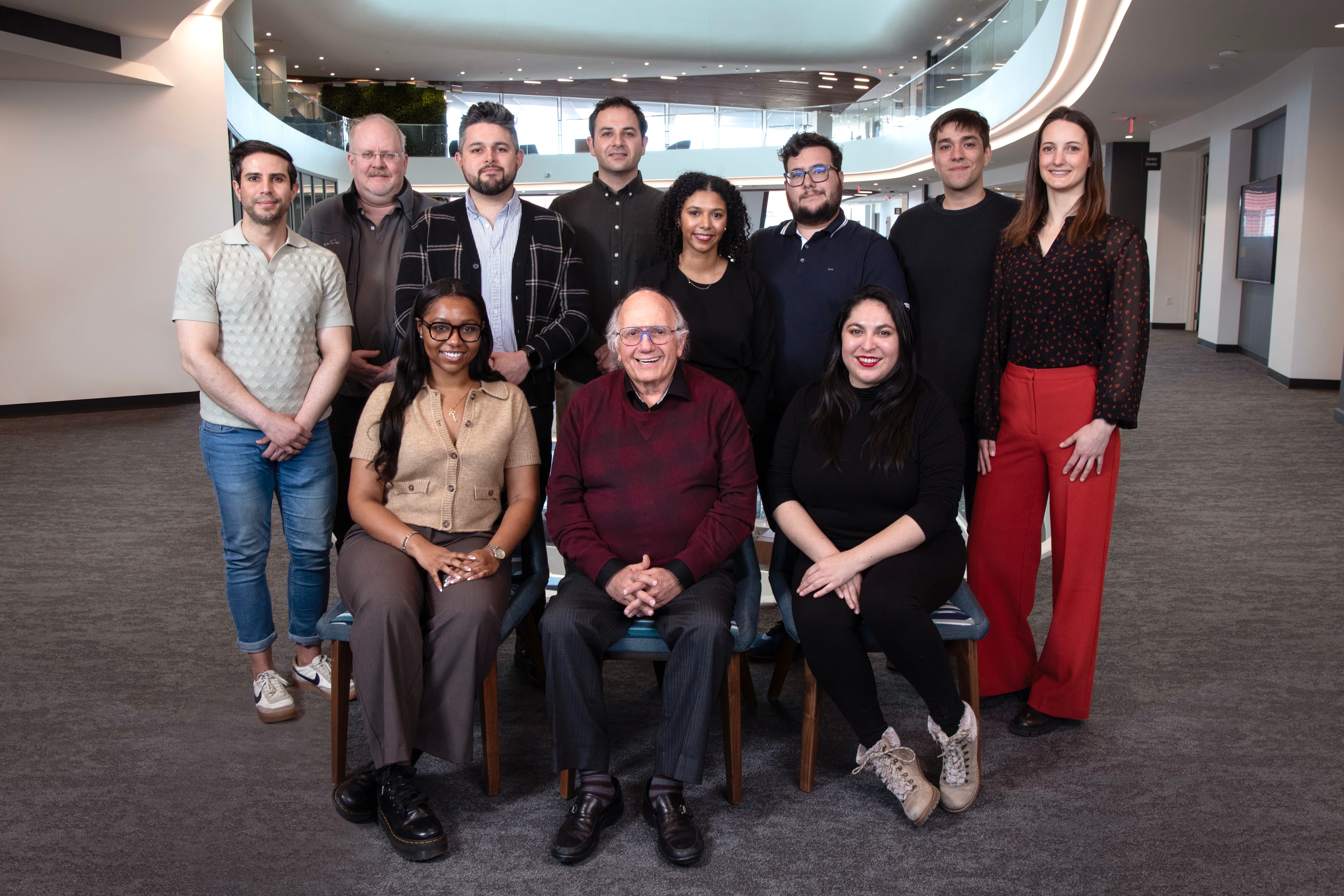
As members of FLU-CODE the Sekaly team focuses on how the host environment shapes the development of innate and adaptive immune responses that modulate viral-induced pathogenesis and promote viral clearance. They utilize a multi-pronged strategy that emphasizes the phenotypic, effector function and molecular characterization of innate immune cells, as well as in the cellular arm of the immune response. They employ high-dimensional flow cytometry and single cell Multiome to define innate and cellular immune responses to discriminate individuals capable of controlling infection from those who experience severe disease.

Models and Tools
Here, you can explore our tools and models that help us to better understand the host and immune responses to Influenza Virus infection. Please refer to the paper for more details, and visit the GitHub repository for the source code and usage instructions.
Milestones
Details about our publications, poster session of our members, seminar participation, and other activities from FLU-CODE Consortium.
Contact
Get In Touch
Are you interested in collaborating with us?
Let's code together.
Please provide your complete name and detailed message so we can get back to you as soon as possible.